Commercial cannabis operators across indoor, greenhouse, and outdoor environments are continually working to increase efficiency, stabilize supply, and improve margins without expanding facility footprint. While photoperiod production remains a cornerstone of the industry, modern autoflower systems provide a complementary path for commercial producers to streamline operations, improve facility utilization, and increase cycles per year.
Advances in Autoflower Breeding: Narrowing the Quality Gap
Historically, autoflower cannabis carried a reputation for lower quality and inconsistent performance compared to photoperiod cultivars. Significant advancements in breeding have changed that. Phylos uses genomic tools, precision phenotyping, marker-assisted selection, and hybrid breeding strategies to develop autoflower lines that offer uniformity, structure, yield, potency, and bag appeal that meet commercial targets.
These improvements accumulate across breeding cycles. Phylos autoflower seed lines now routinely achieve the potency, yield, and visual quality associated with premium photosensitive cultivars.
For a deeper look at the science behind these advancements, see our blog, From Genomic Insights to Premium Autoflower: Advances in Breeding for Potency, Yield, and Premium Flower.
Autoflower Systems as an Alternative Production Model
Autoflowers offer a flexible seed-based production model that adapts well across indoor, greenhouse, and outdoor cultivation environments, each with distinct operational advantages. In controlled-light indoor facilities, autoflowers can eliminate clonal propagation, transplanting, and extended vegetative stages, and reduce total cycle length, allowing rooms to turn faster and increasing the number of productive days per year. Indoor operators also benefit from lower labor costs, as autoflowers typically require fewer cultivation touchpoints than photosensitive plants, including reduced need for topping, training, and defoliation. The result is streamlined room workflows, fewer labor hours per cycle, and more predictable scheduling in high-density production environments.
In greenhouse operations, autoflowers support continuous or staggered production without reliance on light deprivation, making them especially valuable for maintaining a steady flow of biomass for extraction. Their uniform structure and predetermined life cycle reduce canopy management demands, limit pruning, defoliation, and corrective labor while improving consistency across batches.
Outdoors, autoflowers enable earlier harvest windows, help growers avoid late-season disease pressure, reduce peak-season labor requirements, and can add an additional rotation within a single growing season. Earlier harvest timing reduces labor intensity during the most constrained periods of the season and improves risk management related to weather and pests.
Across all environments, the absence of mother plants and dedicated vegetative rooms simplifies facility layouts. Fewer required plant interventions reduce labor hours, input costs, and scheduling bottlenecks. Rather than replacing photoperiod cultivation, autoflower systems function as a complementary workflow that allows commercial operators to optimize throughput, and manage risk with more flexible production timing and labor allocation.
The following case studies highlight how three commercial cultivators—operating in controlled-light indoor, greenhouse, and outdoor environments—are applying autoflower systems in real-world facilities to reduce operational friction, increase annual throughput, and improve margins.
Real-World Results Across Multiple Environments
Phylos Customer #1: Controlled-Light Indoor
A large-scale indoor producer focused on packaged flower and pre-rolls sought to reduce propagation bottlenecks, labor hours, and support space footprint. After converting a production room from clones to Phylos autoflowers, the customer saw the following results:
- 1.6× more annual cycles (cycle time reduced from 98 days to 77 days)
- 55% reduction in labor hours due to no transplanting, minimal pruning, and streamlined scouting
- 50% reduction in pesticide use from starting clean with seed
- 30% increase in margin driven by reduced inputs and higher throughput
- Expanded productive canopy made possible by eliminating mother and veg rooms
These results demonstrate how controlled environment facilities can unlock the advantages of autoflower production, increase total output, and improve efficiency without sacrificing product quality.

Image: Phylos autoflower variety, Zesty Parm — indoor
Phylos Customer #2: Greenhouse
A cultivation team that had previously seen strong results with Phylos autoflowers advocated for integrating them at their new parent company that operated multiple facilities. Their goal was to reduce operational overhead and create a more reliable supply chain for concentrate and distillate production. The advantages they highlighted were both strategic and highly practical.
Key Operational Benefits
- Cost and space reduction through the elimination of cloning and large vegetative rooms, lowering both capital and operational expenses
- Continuous production flow enabled by staggered autoflower cycles, ensuring a steady supply of harvest-ready plants for bulk flower and extraction
- Strong performance metrics, including Phylos autoflower varieties testing as high as 30% THC
- Pesticide-free production, supporting clean-market standards and simplifying compliance
One team member summarized the impact:
“It’s a no-brainer. Not having to dedicate money and space to cloning and veg rooms is huge. With autos, you can stagger them and keep a constant flow. You’re always tearing down and restocking, always fresh, and always moving product into processing.”
This case illustrates how autoflower seed-based productions can streamline facility operations, improve annual throughput, and support consistent production of high-quality extract material, making them a powerful strategic tool for multisite commercial programs.
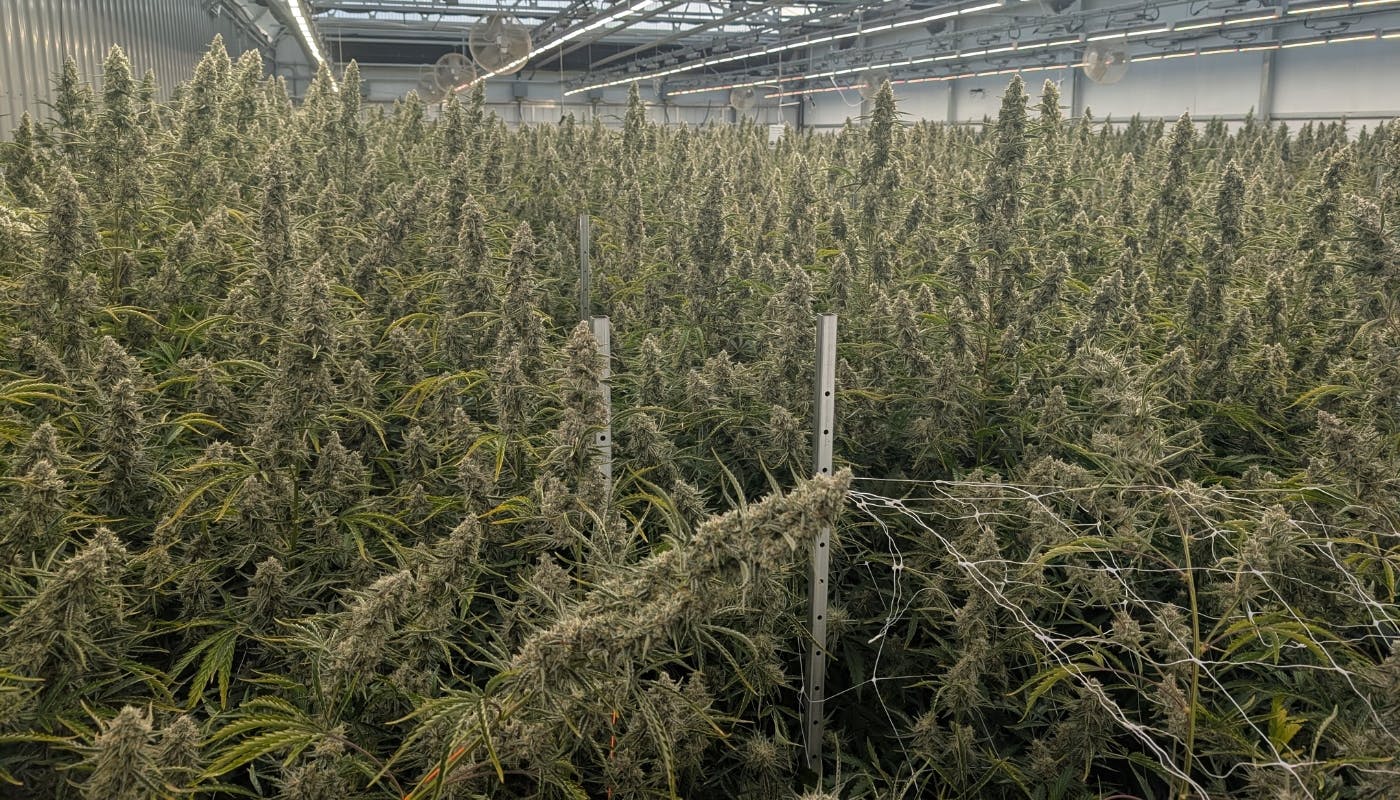
Image: Phylos autoflower variety, Zesty Parm — greenhouse
Phylos Customer #3: Outdoor
Outdoor growers contend with unique challenges, including late-season disease pressure, unpredictable weather, and tight growing timelines. One Phylos customer implemented autoflower varieties to create more flexible, risk-managed production cycles, resulting in strong, repeatable performance for flower production.
Results
- 600+ grams wet weight per plant
- Potencies up to 28% THC
- Reliable, uniform structure with consistent, predictable finish times
- Harvestable plants by late July in Michigan
For outdoor operators, this timing is transformative. Phylos autoflower seed-based production systems allow growers to:
- Reduce late-season labor
- Avoid peak mold and pest pressure
- Harvest before seasonal deadlines
- Add a second partial or full rotation, depending on acreage and region
This case shows that modern autoflowers are not only a viable outdoor option but a strategic tool for optimizing crop scheduling, reducing risk, and increasing total seasonal output.
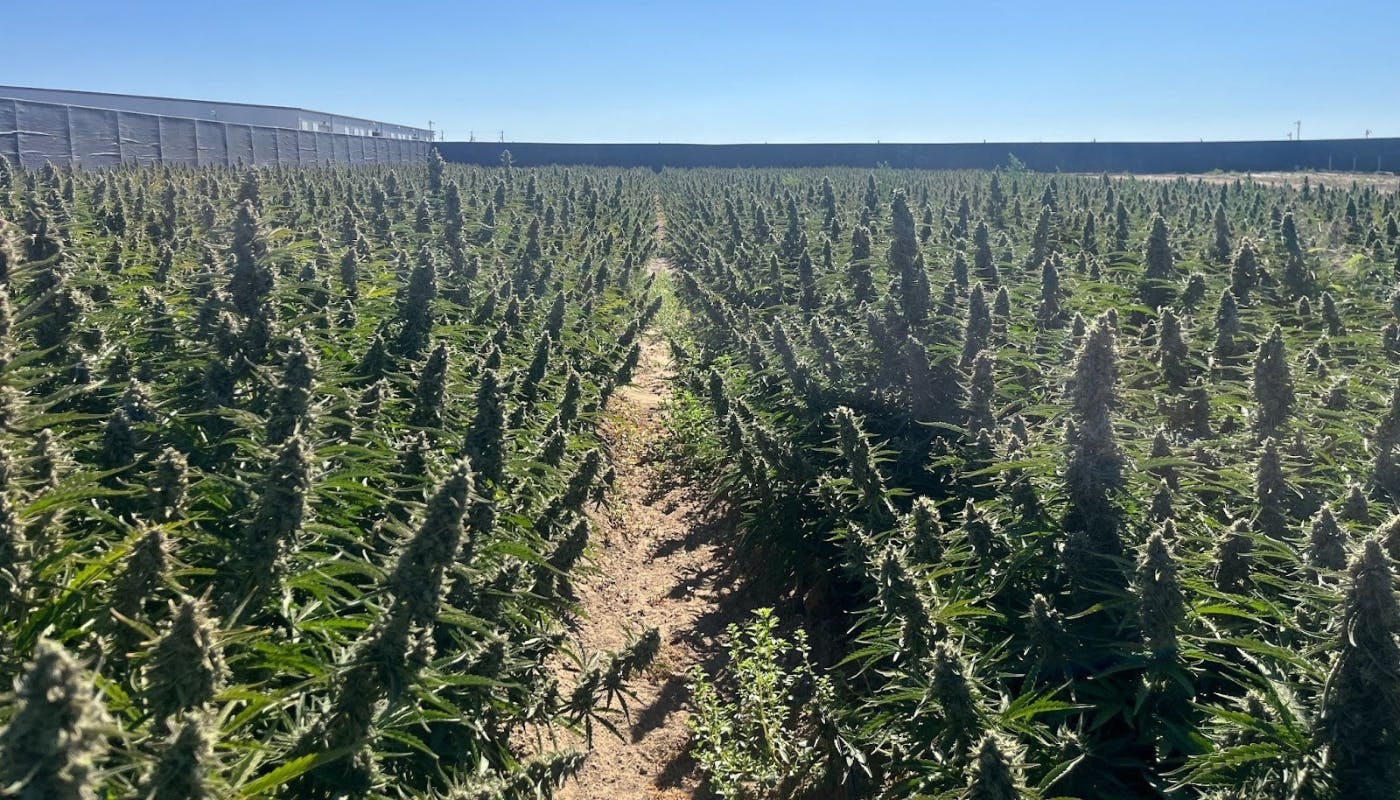
Image: Phylos autoflower variety, Bumper OG — outdoor
Conclusion: Measured Gains in Productivity, Efficiency, and Cost
Across controlled-light indoor, greenhouse, and outdoor systems, Phylos autoflower genetics provide growers with a reliable path to higher productivity and greater operational efficiency. By integrating modern autoflowers, commercial operations can:
- Reduce operating costs
- Simplify labor and workflow demands
- Increase annual production through additional cycles
- Eliminate mother and veg room requirements
- Improve consistency and predictability
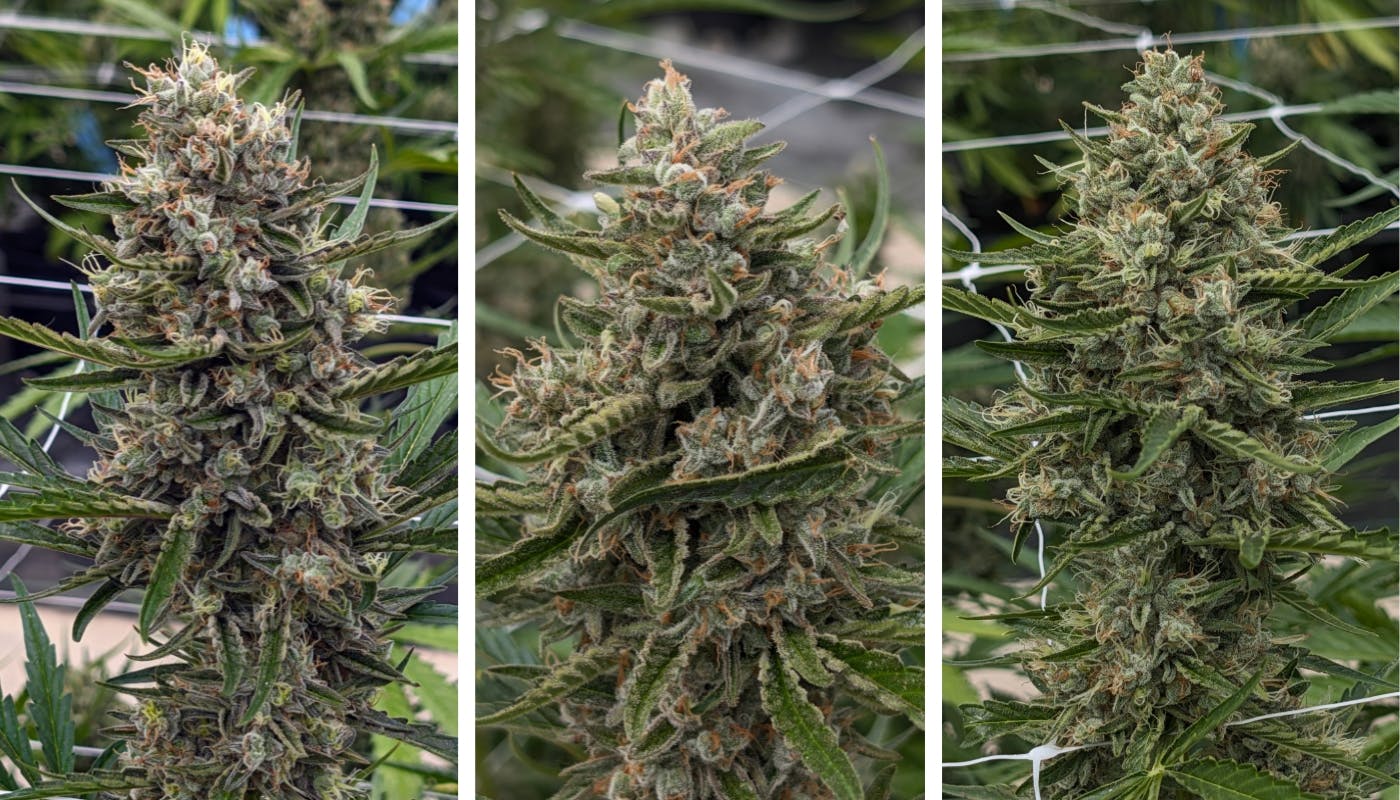
Image: Phylos autoflower varieties, HiFlyer, Sasquatch Breath, and Frodo Squeeze — greenhouse
Real-World Results From Producers
- 4.9 or more cycles per year indoors, or 2+ cycles outdoors
- No propagation or veg rooms required
- Reduced labor and IPM needs
- More predictable finish times
- Lower cost per pound
- Scalable, high quality flower
To learn more about Phylos autoflowers and how modern F1 hybrid genetics translate into uniform plants, diverse aroma profiles, and reliable performance in your cultivation, contact our team at customersuccess@phylos.bio.