Modern cannabis cultivation spans diverse environments and production systems, where conditions are rarely perfect. When cannabis plants experience stress—whether from temperature swings, lighting disruptions, irrigation issues, or other factors—their response is largely determined by genetics. Two plants exposed to the same conditions can behave very differently. One stays on track. Another deviates, often in ways that impact yield and quality. One of the most costly stress responses in cannabis is hermaphroditism, or “herming”.
Cannabis growers have traditionally relied on clones for high-confidence stress tolerance. In phenohunts, growers can quickly identify and cull plants that herm, selecting only those that reliably produce female flowers in their environment. There’s a possible second reason for seeing fewer herms in clonal propagation. We hypothesize that because clones originate from developmentally mature tissue already committed to female flowering, they are less likely to herm. Seed-grown plants, by contrast, begin in a juvenile developmental state and were historically more variable in their stress responses. In support of this hypothesis, we see that seed-grown plants that veg for a longer period are less likely to herm.
Using marker-assisted breeding, Phylos applies a faster and more accurate breeding process to seed parents than has historically been applied to clones, selecting varieties with attractive grower and consumer traits in addition to validated stress-tolerance markers, resulting in seed lines with the same herm resistance and crop stability as clones.
In this blog, we examine hermaphroditism as a stress response, the science behind genetic stress tolerance, and why resilience at the genetic level is essential for delivering reliability and consistency at any scale. Learn more about genetic markers in our blog, How Genetic Markers are Advancing Cannabis.
What Is Hermaphroditism?
Hermaphroditism in cannabis occurs when a genetically female plant develops male reproductive structures. Male flower parts can emerge within a female inflorescence or appear as separate male flowers (Punja and Holmes 2020).
Importantly:
- Any cannabis plant can herm under sufficient stress
- Not all genetics are equally susceptible
- Susceptibility is heritable
The photo below shows a male plant on the left, a female in the middle, and a hermaphrodite on the right.
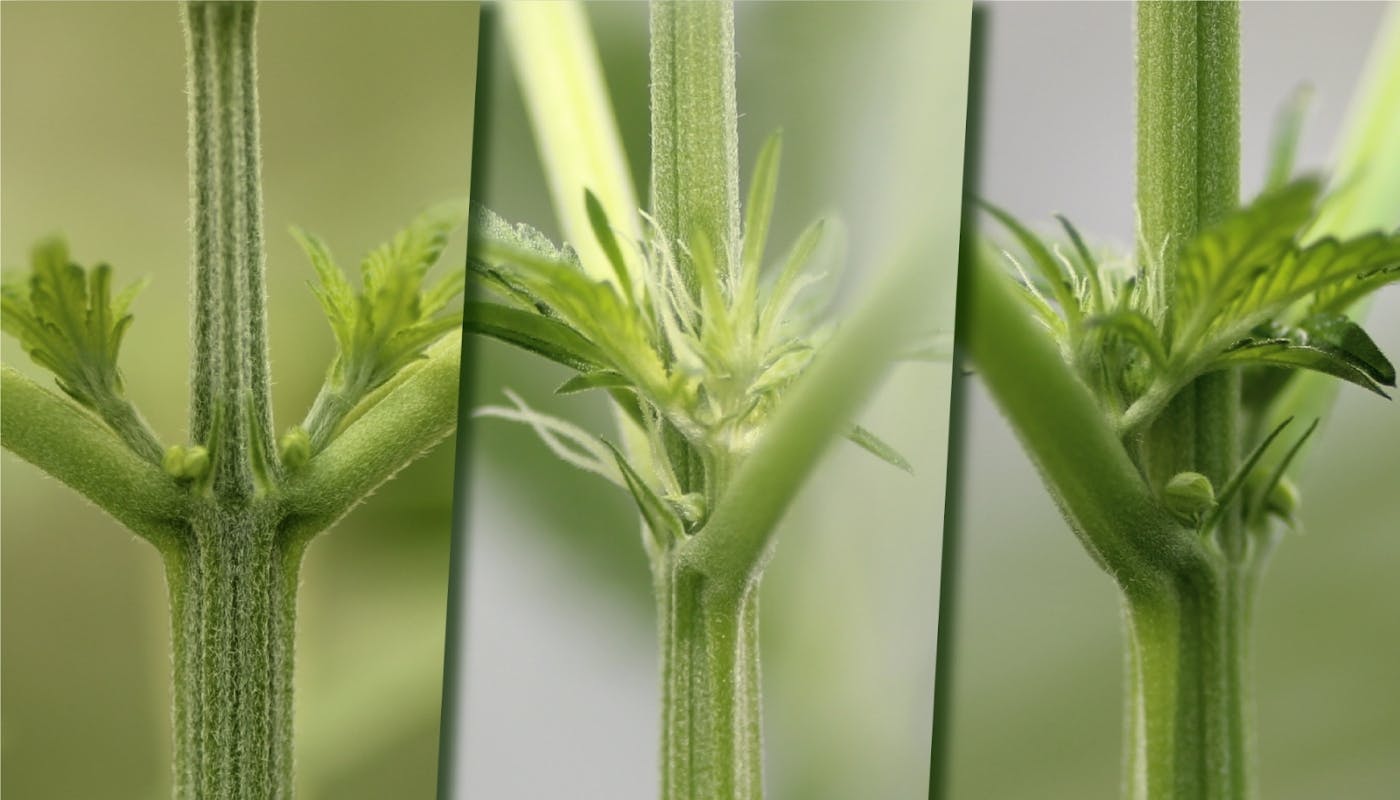
Image: Male (left), female (middle), herm (right)—photo by Amsterdam Genetics.
Cannabis is primarily dioecious, meaning individual plants are typically male (XY) or female (XX) (Hirata 1924). However, the species also exhibits phenotypic flexibility. Some cannabis plants with two X chromosomes are monoecious, naturally producing both male and female flowers on the same plant. This is more common in fiber and seed hemp varieties and is influenced by loci on the X chromosome (Faux et al., 2016).
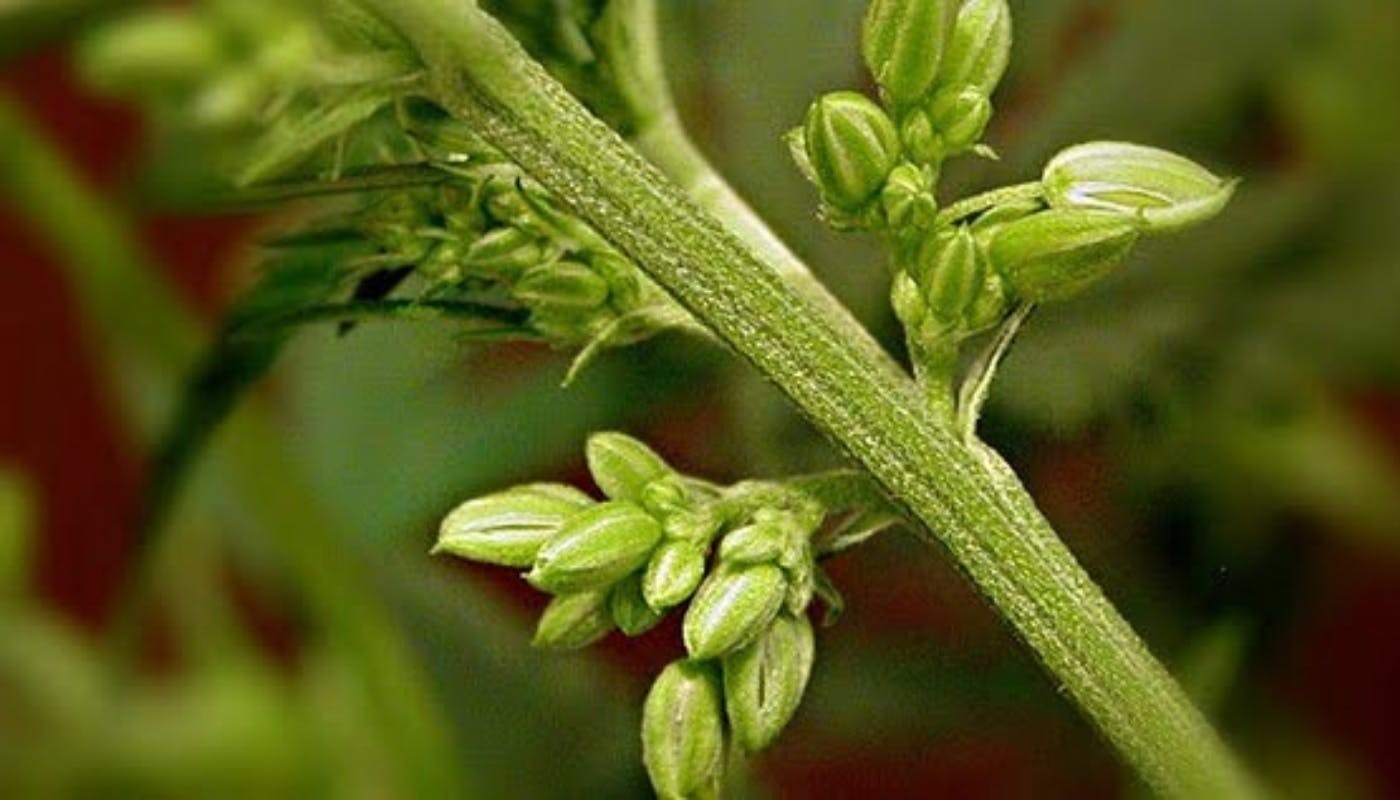
Image: Male XY (photo by ilovemarijuana.com).
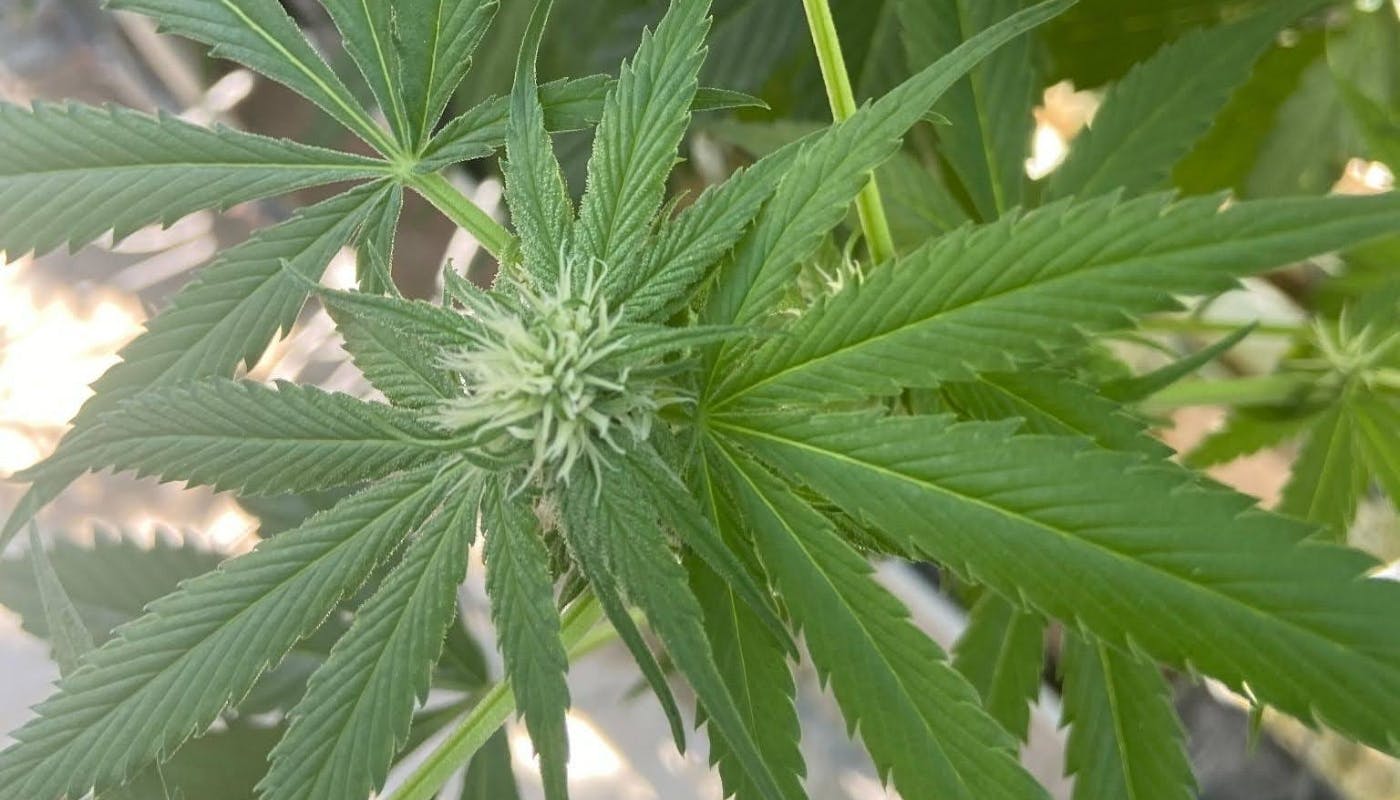
Image: Female XX (photo by Ben Adams).
This flexibility explains why stressed plants can deviate from their intended developmental pathway.
Why Herm Resistance Matters
A single hermaphroditic plant can release viable pollen before male flowers are visually detected, putting an entire room at risk of unintended pollination. Once pollination occurs, plant energy is redirected away from flower and metabolite production, reducing cannabinoids and terpene levels by as much as 50% (Feder et al., 2021).
Early, targeted scouting helps identify herms before they affect crop quality. In commercial cultivation, affected plants are typically removed immediately, but even a brief lapse can result in widespread seeding and significant downstream losses.
Not all genetics respond to stress-induced hermaphroditism the same way. Some varieties are far more prone to herming under environmental or operational stress, while others demonstrate greater inherent resilience.
Seed varieties with validated genetic markers for stress tolerance are more resistant to hermaphroditism, reducing losses, improving harvest yield predictability, and lowering operational costs.
Mapping Stress Tolerance at the Genetic Level
Phylos conducted large-scale genetic mapping focused on a simple, real-world outcome: did the plant herm under stress or not? By evaluating 1,300+ cannabis accessions across hundreds of seed lots, Phylos researchers identified two genomic regions that consistently influence stress response.
Key findings:
- Plants carrying beneficial versions of these regions were significantly more likely to produce only female flowers under stress
- Each genetic region contributes independently to stress tolerance, and plants carrying beneficial versions of both show greater stability under stress than those with either one alone
- The herm resistance of plants with these markers were consistent across environments and populations
Functionally, these regions are tied to:
1. Hormonal regulation, including pathways involving gibberellic acid (GA), which influences whether flowers develop as male or female. Beneficial amino acid substitutions may reduce GA production, lowering hermaphroditism under stress.
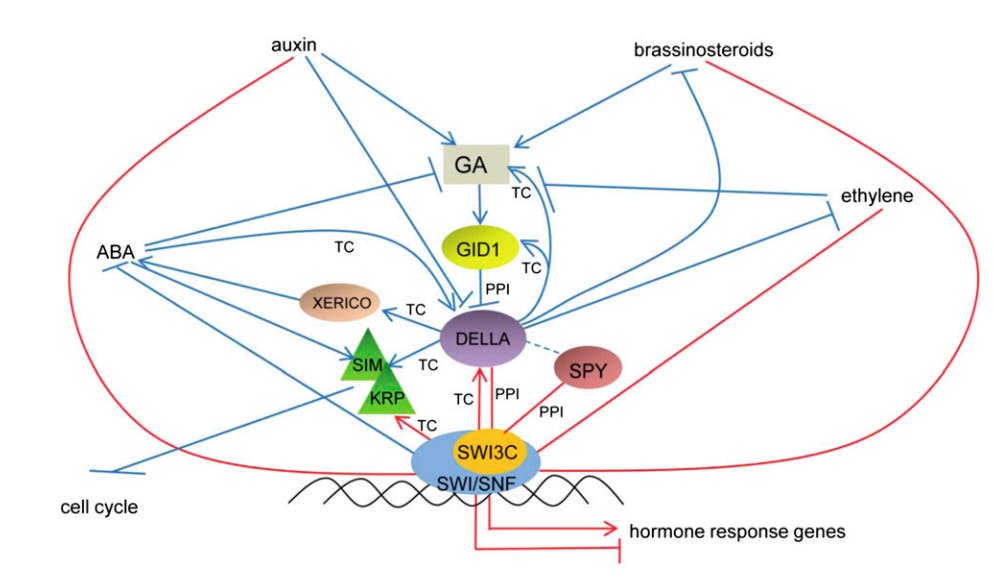
Image: Sarnowska et al. 2013.
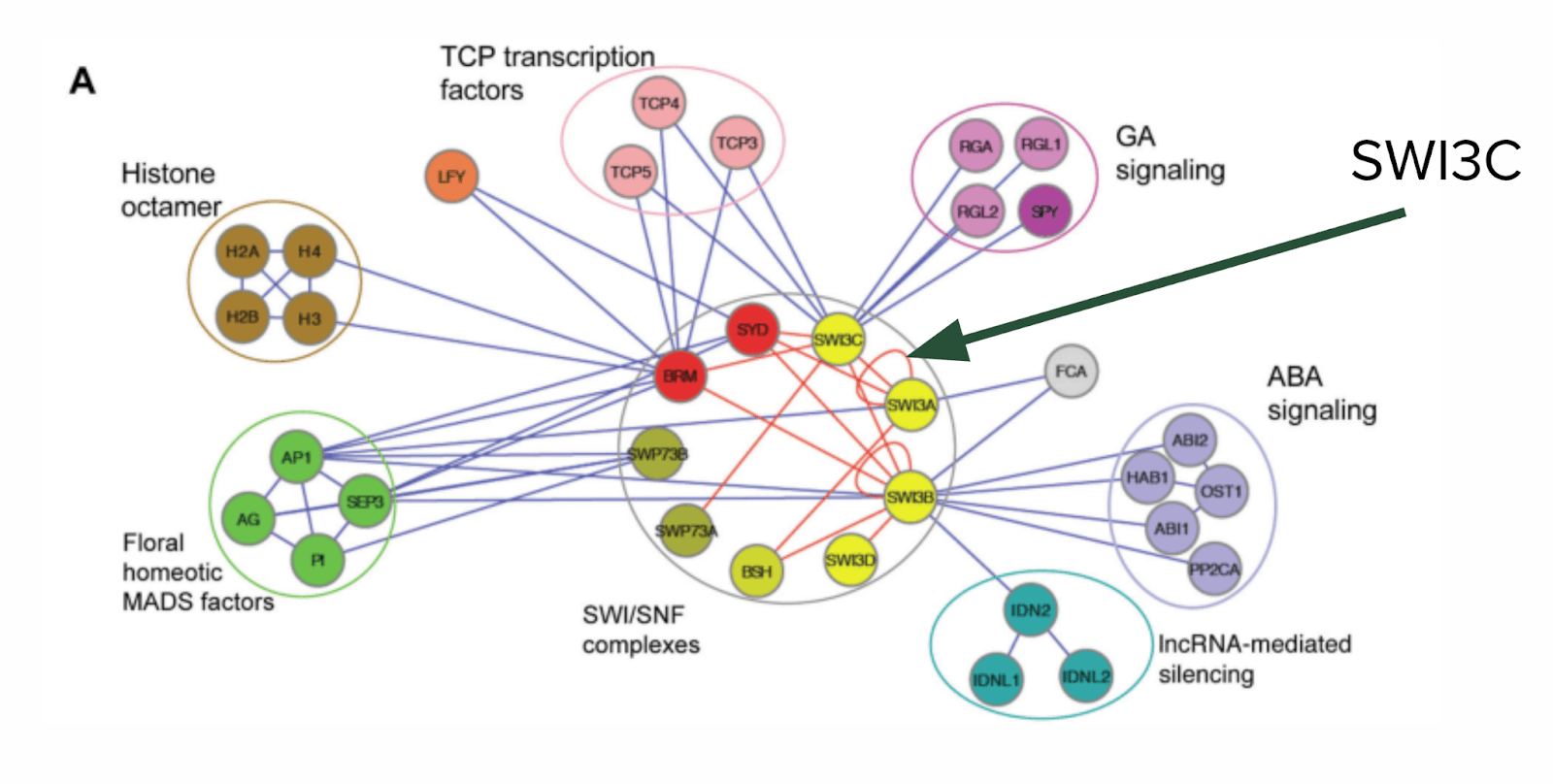
Image: Reyes 2014.
2. Oxidative stress signaling, which affects whether plants maintain female development or shift toward male expression. Certain genetic variants reduce enzyme activity, allowing H₂O₂ accumulation to favor female flower production.
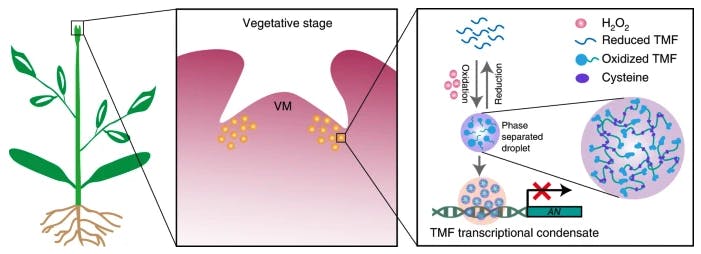
Image: Huang et al. 2021.
In practical terms, these genes influence whether a plant maintains female flower development under stress or shifts toward male expression.
Genetics Define Potential, Stressors Shape Performance
While genetics provide the foundation for hermaphroditic tendency, environmental stressors and cultivation practices trigger the plant behavior.
Based on Phylos research data:
- ~70% of herming events are linked to environmental stress
- ~30% are associated with cultivation practices
- Single catastrophic events can trigger herming, but the accumulation of smaller stressors is more common
Common stressors include:
- Extreme heat or cold
- Irrigation inconsistency
- Humidity or VPD swings
- Light fluctuations
- CO2 imbalance
- Pests or disease
- Elevated or large fluctuations in EC
- Physical damage or over-pruning
- Poor airflow or low fresh air exchange
Genes that are associated with hermaphroditic resistance don’t eliminate the need for good cultivation practices, but they significantly diminish the likelihood of herming when conditions aren’t perfect.
Best Practices to Minimize Herming:
- Maintain stable temperature, humidity, and VPD
- Ensure proper lighting schedules and intensity
- Optimize nutrition, irrigation, and root care
- Monitor and record environmental and cultivation events
- Regularly inspect/scout crops for early signs of stress
Phylos is Unlocking the Potential of Cannabis, One Trait at a Time
Phylos breeds with validated genetic markers for stress tolerance, giving growers high confidence in crop stability and performance, even under stress. In addition to stress tolerance, Phylos Elite genetics deliver top-shelf flower with unrivaled uniformity, aromas, vigor, and potency, bred to excel in any cultivation environment.
Growing live crops means working under fluctuating conditions, even with the greatest care. The best defense against hermaphroditism as a stress response is to grow varieties that are strong and vigorous, even when conditions aren't perfect. By unlocking traits such as stress-tolerance in seed-grown cannabis, Phylos is helping growers move beyond reactive crop management to proactive, predictable cultivation—transforming the potential of cannabis production.
To learn more about how Phylos seeds and marker-assisted breeding are reshaping cannabis cultivation, contact our team at customersuccess@phylos.bio.
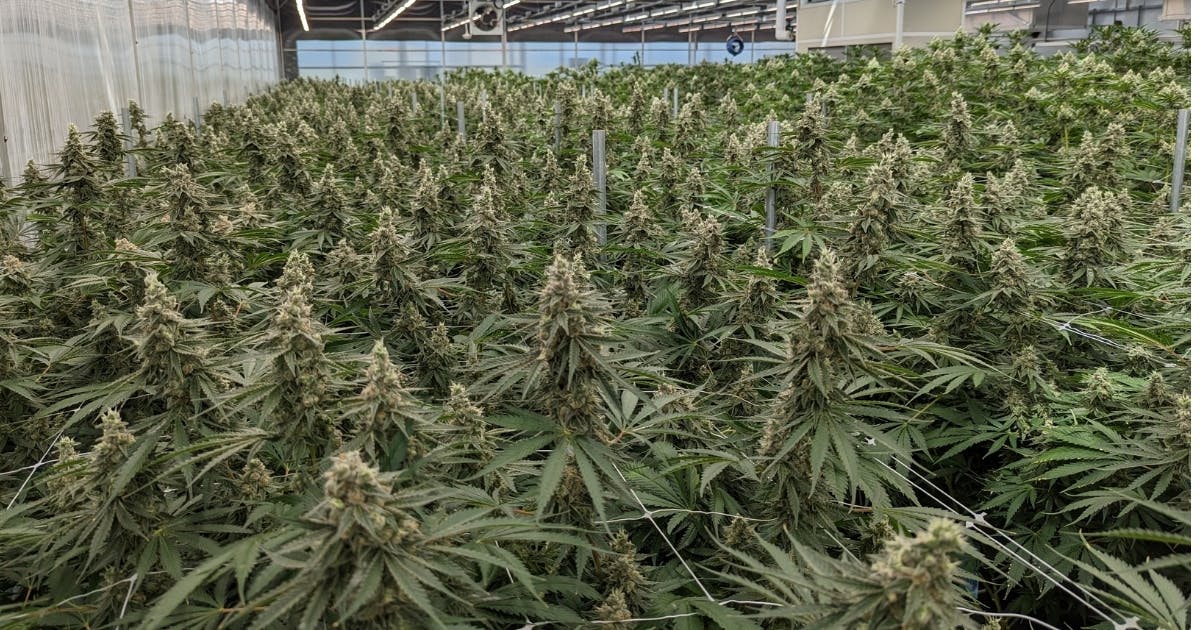
Image: Phylos Elite genetics.